

Learning the piano is an exciting adventure, but also a challenge. Do you dream of playing your first pieces quickly, without frustration or discouragement? Getting started is not always easy, especially if you are learning without a method.
By adopting the right habits from the outset, you lay solid foundations and enjoy making progress as you learn. Here are five essential tips for getting started on the piano and turning your first hours of practice into an enjoyable experience.
1. Choose an instrument suited to your level
Your choice of piano is crucial, even before you play your first note. There is no need to aim for a top-of-the-range model from the outset. Instead, choose a reliable instrument that is genuinely suited to your level.
If you choose a digital piano, it should have an 88-key weighted-action keyboard. This resistance beneath your fingers is essential for developing good technique. A keyboard that is too light encourages bad habits that are likely to hinder you in the medium term.
An acoustic piano should be properly tuned and its action should be in good condition. Bear in mind that a poorly maintained piano can quickly become discouraging. By prioritizing comfort and realism when you learn the piano, you make learning easier from the very first weeks.
2. Learn the basics before trying to play quickly
At first, the temptation is strong. You will probably be eager to play a piece you know. Indeed, one of the most common mistakes when learning the piano is trying to run before you can walk. Instead, take the time to study the fundamentals:
- hand position;
- body posture;
- reading music;
- rhythm.
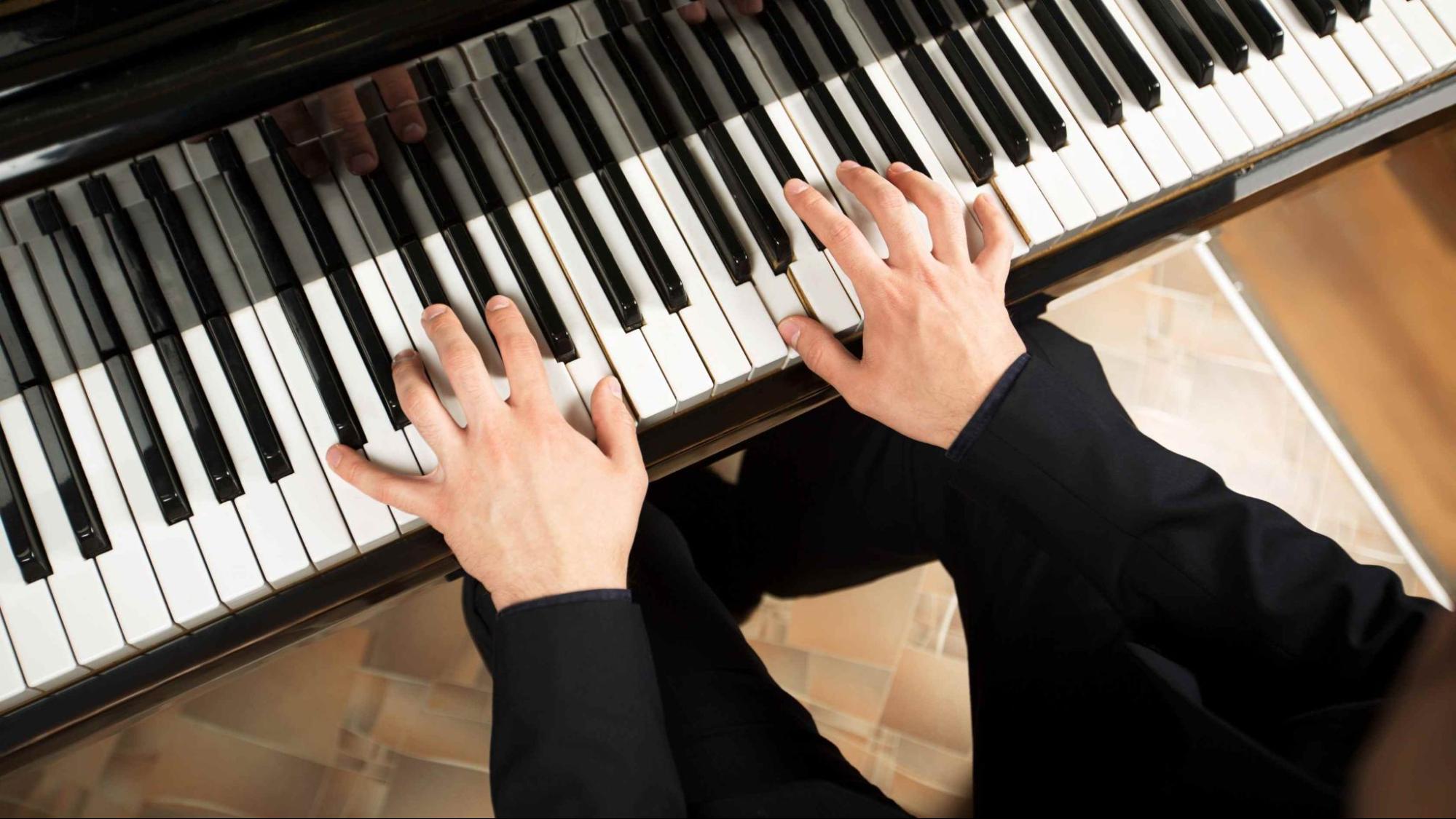
Sit upright with your shoulders relaxed, your forearms horizontal, and your fingers slightly curved. This position prevents tension and allows you to play for longer without becoming fatigued. Next, learn to recognize notes on the staff and the keyboard, even if this seems slow at first. This will help you become independent instead of relying solely on memory.
3. Practise regularly, even for short periods
Consistency matters more than the length of each session when you want to improve at the piano. It is better to practise for 20 minutes a day than for 2 hours once a week. With regular practice, movements become automatic, coordination develops, and your musical ear improves.
Consider establishing a simple practice routine. Choose a specific time of day, a clear objective for each session, and a quiet place. You can begin with one or two technical exercises before working on a specific passage rather than an entire piece.
With this approach, you are less likely to lose your way. Regular practice lets you see tangible progress, which is highly motivating for what comes next. You gain fluency, anticipation, and a better understanding of rhythm.
4. Learn to play slowly and accurately
One of the secrets to getting started successfully on the piano is accepting that you need to play slowly. Many beginners speed up too soon, at the expense of accuracy. In fact, slow, controlled playing is the key to steady progress. Every note should be played carefully, following the indicated tempo and fingering.
Playing accurately means working on rhythm, touch, dynamics, and hand coordination. Over time, this maximizes your chances of following the score faithfully and conveying the composer’s musical intention.
In rhythmic terms, accuracy helps you maintain a steady tempo and preserve the coherence of the piece. A slight timing error can disrupt the flow of the performance. If you make a mistake, stop, correct it, and then start again calmly.
A tool such as a metronome helps you work on consistency, even at a very slow tempo. This discipline allows you to develop reliable muscle memory and avoid difficulties later on.
5. Seek guidance to progress with greater confidence
It is possible to learn the piano on your own, but you do not have to progress without support. Lessons with a teacher, even occasional ones, can be very effective. With an outside perspective, a teacher can identify your weaknesses, correct your posture, and structure your practice.
If you prefer to learn independently and at your own pace, there are well-designed teaching methods and online courses that can guide you effectively. The important thing is not to remain stuck when you encounter a difficulty. Seeking guidance saves time, helps you avoid bad habits, and keeps you motivated over the long term.
Furthermore, learning the piano should never feel like a chore. Give yourself permission to play for pleasure, even if your performance is not perfect. Alternate between technical exercises and short, simple pieces that are enjoyable to play. Enjoyment is the main driving force behind your improvement.